The role of an ophthalmologist goes beyond prescribing glasses. Ophthalmologists provide comprehensive eye care as well as diagnosing and treating many different vision problems. Ophthalmologists can offer useful advice on how to preventive health, including warning signs and lifestyle practices that can affect your vision, as well as other health issues. Regular check-ups with an ophthalmologist is more than a good habit; it allows patients to have their eyes assessed for eye conditions like glaucoma, cataracts, macular degeneration and diabetic retina, that can have a devastating effect on your eye sight. Furthermore, certain eye diseases could be a sign of potential health concerns for other body parts and regular visits to an ophthalmologist are key in helping maintain one’s overall well-being.
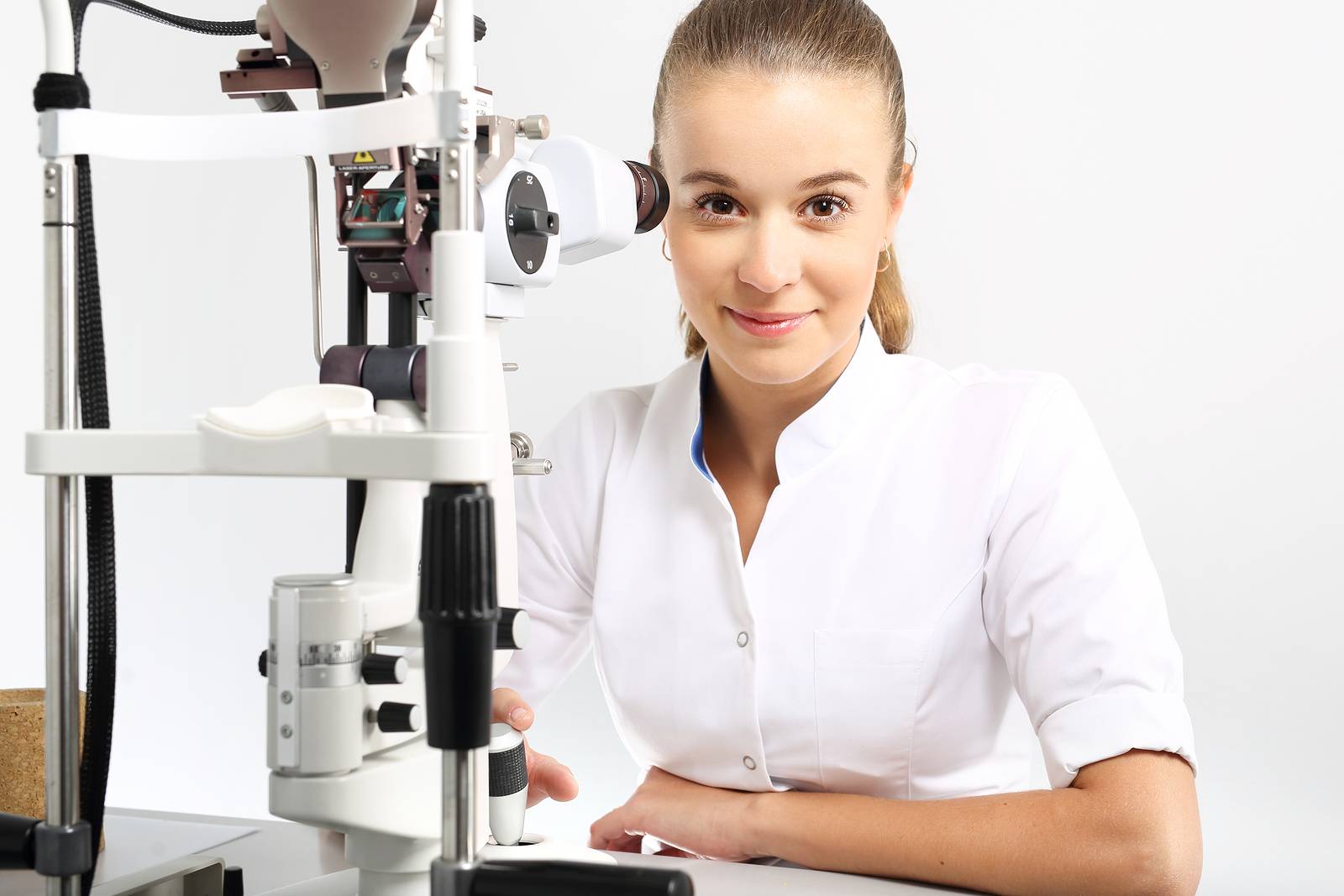
It is always best to be aware of any issues that may affect our vision. Also, be proactive about examining for any possible abnormalities. Eye floaters are an extremely common problem that is often overlooked by a growing number people. Eye floating is a term used to describe dark spots, bubbles and shapes that you may notice when you look at a bright backdrop such as the sky or white wall. Although they may appear harmless, they may be an indication of retinal damage or detachments which can eventually cause severe and permanent loss of vision. This is why it’s crucial not to ignore them, but instead reach out to an ophthalmologist as soon as you can detect they are. A qualified ophthalmologist will be able to identify the root of your floaters and provide the best solution to restore your vision.
Eye health can be significantly affected by diabetes. Knowing the connection between diabetes and eyes is essential. Here are some insights into the relationship between eye health and diabetes, and how to protect your eyes when you are diagnosed as having diabetes.
What’s the connection between eye health and diabetes?
Diabetes and eye health is primarily related to blood sugar levels that are high. This can lead to damage to the blood vessels in your retina which can cause a condition referred to as diabetic retinal disease. Diabetic Retinopathy, the largest and most frequent condition that occurs in diabetics can result in loss of vision and is often ignored. High blood sugar levels can also cause damages to the lens of the eyes, which can lead to cataracts and the condition known as glaucoma.
How to Safeguard Your Vision if you have Diabetes
It is essential to take steps to protect your eyes if you have diabetes. Here are a few things you can take care of:
Monitor the levels of your blood sugar Keep your blood sugar levels under control is essential to prevent damage to your eyes. Talk to your doctor about how to manage your diabetes. This may involve lifestyle changes and medication in addition to monitoring your blood sugar levels.
Make sure you have regular eye exams: It is recommended that people with diabetes get a comprehensive eye exam at least every year to look for diabetic retinopathy as well as other eye disorders.
Take care of other health issues: Diabetes is often associated with other health conditions like hypertension and high cholesterol. These conditions can influence eye health. Eye issues can be avoided through the management of these diseases.
Quit smoking. Smoking cigarettes may increase the risk of developing eye issues in diabetics. This risk can be reduced by stopping smoking.
Eye health is affected by diabetes. But there are methods to safeguard your eyes. By regulating your blood sugar levels, undergoing regular eye examinations, taking care of other health conditions, and quitting smoking, you can lower your risk of developing eye problems associated with diabetes.
It is crucial to conduct regular eye exams to keep a good eye. An eye exam by an ophthalmologist can identify possible eye issues and allow treatment to start quickly. This will help prevent any future problems. Regular ophthalmic care is the best way to maintain or improve your eye sight and may also help anyone with visual impairments. It’s clear how crucial it is to keep a positive relationship with an ophthalmologist. This will ensure your eyes are in good health and will be treated when needed. So don’t delay; schedule a regular eye examination today!
For more information, click Lasik mexicali