In the rapidly changing world of electronic gadgets, innovation is necessary to keep ahead of the curve. Manufacturers are always looking for new ways to revolutionize the production of their products, because demand is growing for smaller, more flexible and high-performance electronics. The production of flex circuits is among of the latest technologies that has attracted a lot of attention.
Flex circuits are also called flexible printed circuit board (PCBs) and offer a myriad of advantages over rigid PCBs. These circuits can bend, twist and conform to different forms. They are ideal for applications requiring complex designs, a limited amount of space or for a longer life span.
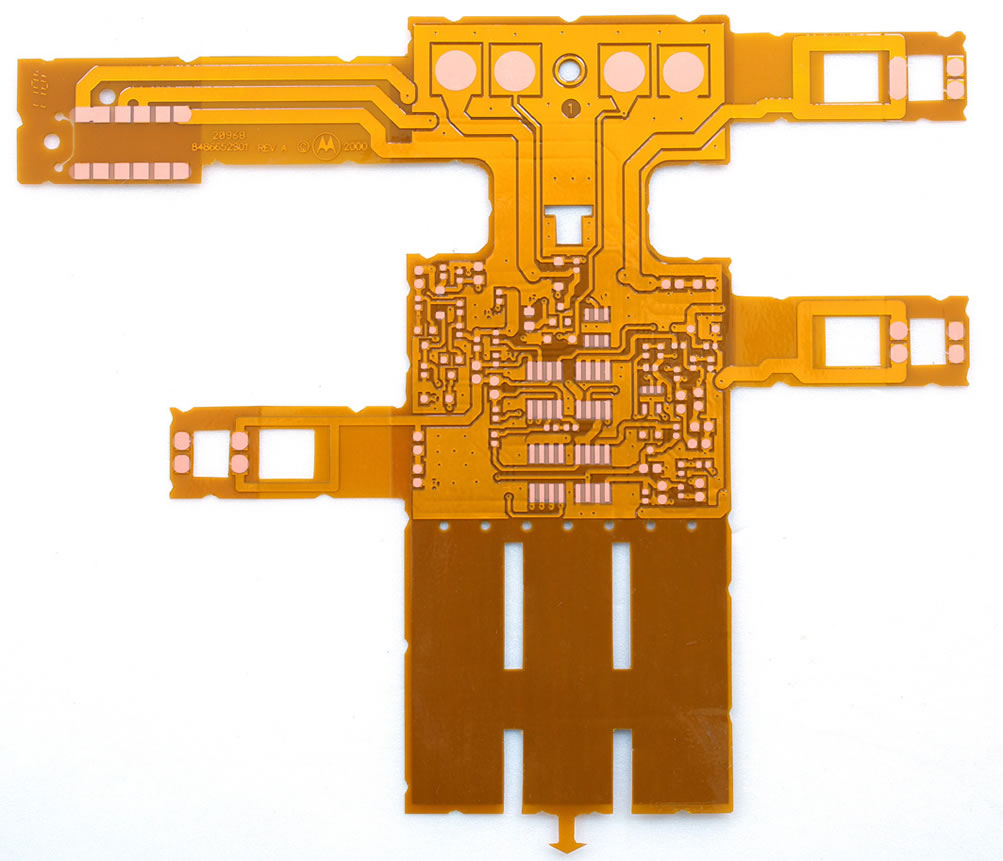
Flexible circuits enable manufacturers to expand the boundaries of design by offering a a flexible base that can adjust to the shape and dimensions of the product. This flexibility allows for more inventive and compact designs, eventually creating lighter and smaller devices. Imagine a smartphone which curves effortlessly around your hand. A health tracker that is discreetly tucked into your wrist. Perhaps even a smart device with an ergonomic, smooth design. Flex circuits allow engineers and designers turn these ideas into real-world applications, opening up many new product possibilities.
Beyond their aesthetic benefits, the durability of flex circuits makes them stand above their rigid counterparts. Traditional PCBs are prone to damages from shock, vibration and repeated bends. However, flex circuits are built with specially-designed materials that are able to withstand these conditions, which makes them highly reliable in demanding conditions. This is particularly crucial for industries such as aerospace, automotive and medical where electronic components are exposed to harsh conditions.
Flex circuits are a very versatile product. The manufacturing methods used for their production can have a major impact on the flex circuit’s capabilities. Flex circuits, unlike rigid PCBs, are constructed from a flexible substrate such as polyester or polyimide. The substrate is the base of the circuit and permits it to bend or turned while retaining electrical connectivity. Flex circuit manufacturers use advanced manufacturing techniques to precisely etch circuits, create complex interconnects, or integrate components directly onto the flexible substrate.
The integration of components directly onto the flex circuit, referred to as surface mount technology (SMT) can further increase the flexibility and functionality of these circuits. SMT allows manufacturers mount electronic components on top of flex circuits. Bulky connectors are eliminated and overall device size is reduced. This simplified approach not only reduces the dimensions of the device but also improves signal clarity, reduces the weight and helps in regulating thermal efficiency.
Flex circuit manufacturing is a great way to ensure rapid prototyping as well as scaling production. The flexability of the circuit design enables rapid prototyping stage, accelerating the development of products. In addition, because they can be made in large quantities by automated manufacturing processes, they can provide cost-effective solutions for high-volume production. This makes flex circuits an ideal choice for companies that want to get their new ideas to market quickly. For more information, click flex circuit manufacturing
It is essential to have a reliable source of flex circuits, as demand is expected to grow. Partnering with reputable and experienced manufacturers is vital for ensuring the quality, precision, and consistency of flex circuit production. They are able give guidance and information about the design and manufacturing process. They can also offer advice on material selection.
In the end, flex circuits serve as invaluable components for achieving the most complex level in modern electronic assemblies. They are at the core of many complicated systems, including displays in consumer goods to military-related applications. Because they can move easily through tight space, flexible substrates provide engineers the ability to design their designs with a variety of features and still fit into the tight dimensions of assembly footprints. Although there are various ways to conduct circuits, they do not match the mechanical and electrical properties of flex assemblies in order to meet the strict requirements for size. For complex interconnections that combine various technologies into a perfectly designed package, using flexible circuits is far and way the best option.