Diabetes is a chronic disease that can cause a number of complications. It is the cause of concern for more than one quarter of American seniors. A worrying statistic suggests that between 10 and 15 percent of those suffering from diabetes suffer from the fearsome specter of leg and foot ulcers. These seemingly innocuous wounds, if left unattended, may escalate to a point where diabetic foot amputation becomes an unfortunate reality. Foot ulcers account for over 80 percent of all amputations.
Diabetes management is a difficult issue that goes beyond the control of glucose. To achieve this, regular foot care is vital to preventing diabetes-related amputations.
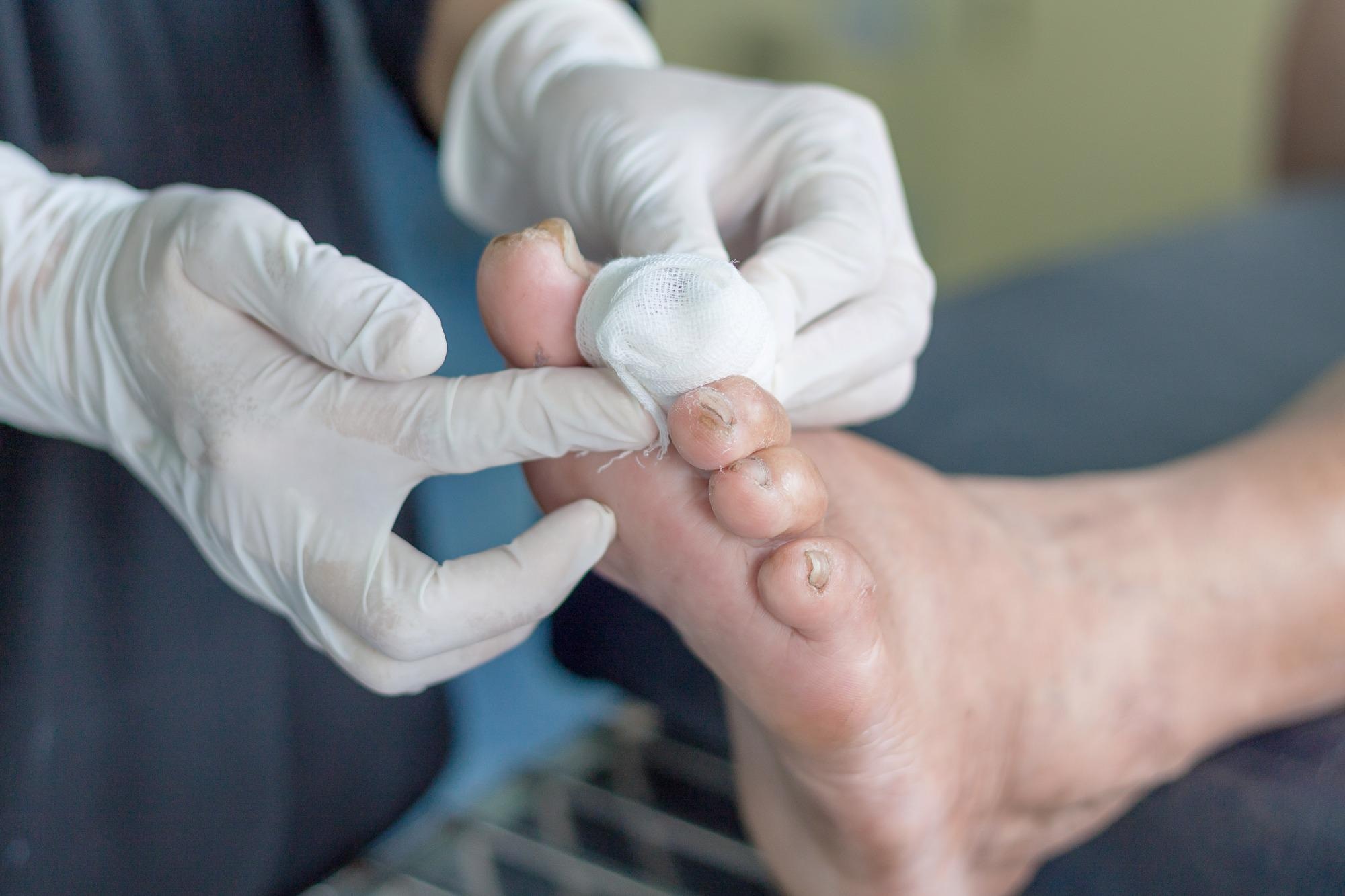
Understanding the Landscape
It can be difficult to navigate the complex world of complications and diabetes. The adversity of leg and foot ulcers in diabetic patients emphasizes the need for proactive care. As the statistics paint an unsettling picture and it becomes clear that fostering a deeper understanding of these intricacies is crucial in fighting against amputations.
The Amputation Conundrum
The threat of amputation is always in the forefront of diabetics. This is a personal reality that goes beyond figures. The road from a minor foot ulcer to the prospect of diabetic foot amputation a harrowing one, emphasizing the urgent need for preventative measures.
Daily foot care: A shield against Amputation
Regular foot care is the primary element of prevention of diabetes-related amputations. It’s not just about maintaining hygiene; it’s an extremely thorough method for the detection and treatment of potential issues before they get worse. The daily routine covers everything from examining your feet for wounds and making sure they are properly moisturized.
Vascular specialists: What is their function
While vascular specialists may not directly control diabetes their expertise can play a crucial role in reducing the complications that are associated with the disease. Creating a healthy flow of blood to the lower extremities becomes an important aspect of care, working towards alleviating discomfort in the legs and helping to heal wounds. This collaborative approach is focused on one thing to lower the risk of diabetes-related amputations.
Strategies for Preventing Amputation
To get through the complex world of diabetes-related amputation risk, you need a combination consciousness, vigilance and a skilled intervention. It is important for people with diabetes to adopt a proactive approach. Regular checks with healthcare professionals including vascular specialists contribute to early detection and intervention.
Leg Ulcers, Beyond the Triggers to Consider
Leg ulcers are often precursors to more serious complications. They require attention and understanding. Understanding the triggers that cause leg ulcers is an essential step. It doesn’t matter if it’s poor circulation, neuropathy, or a combination of causes, identifying the root trigger allows for targeted treatment and individualized treatment.
Education as Empowerment
It is essential to educate those with diabetes on the risk involved and preventative measures. Educational initiatives, both within health care settings as well as in the wider community can bridge the gap between knowledge and taking action. Knowing the consequences of seemingly minor injuries could lead to timely responses and may even avoid the need for diabetic foot amputation.
Private battles, collective triumphs
The battle against amputations due to diabetes is not just a personal struggle, but a societal triumph. Joining support groups through your healthcare provider or local community can be a great way to share experiences to gain knowledge and develop ways to cope. Amputation risk can be physically draining. The feeling of belonging is a great way to feel secure and at peace.
Conclusion: The path to diabetes, ulcers and the danger of amputations are multi-faceted. Daily foot care stands as the first line of defense, and the knowledge of specialists in vascular medicine becomes a critical asset in mitigating problems. Patients with diabetes who are cognizant, adopt preventive measures, as creating a community of support, can navigate through the maze of complications with confidence and strength which reduces the risk of amputation.