At the center of manufacturing today, robot arms are challenging the norms of production, mixing precision, safety and efficiency in ways previously unimaginable. These mechanical marvels, often called robot arms, are essential in all industries and are driven by the imperative necessity of reducing operating costs while maintaining the highest standards of quality. Robotic arms are being incorporated into production lines to cut cost and increase safety. Let’s examine how these groundbreaking machines are reshaping the industrial landscape.
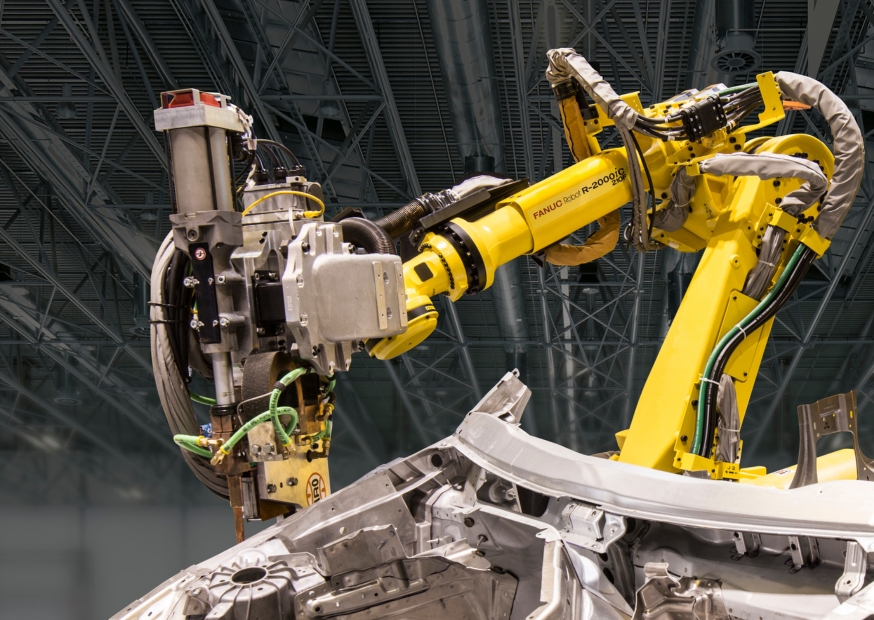
Image credit: automatedsolutions.com.au
The primary force behind the global surge in robotic arm adoption is cost efficiency. Factory owners are constantly under the pressure to decrease workplace injuries, minimize production mistakes, and reduce the amount of waste. Robotic arms are able to tackle these issues. Robot arms eliminate costly mistakes and help reduce the waste of raw materials, through performing repetitive tasks more precise than humans. Robotic arms are utilized in large-scale industries, such as the automobile industry, in order to ensure the highest quality assembly. This precision results in significant savings since fewer imperfections means less time spent reworking, waste and work.
Safety is another cornerstone of the robot arm revolution. Numerous manufacturing tasks, like handling hazardous materials, or utilizing heavy machinery could be hazardous for human workers. Robot arms allow companies to remove their employees from dangerous environments and reduce the risk of injuries at work. Robotic arms, designed as a chain of joints which move could mimic the function of human arms and not cause physical injury. Equipped with programmable end effects basically robotic hands, the machines can be used for tasks like spinning, grasping, or welding in conditions that would be unsafe for humans.
Robotic arms are revolutionizing many industries due to their versatility. From automotive assembly to electronics production, robot arms adapt to a broad range of jobs. They can carry out complex tasks with unparalleled precision, like machine tool tending and painting. When it comes to warehousing robotic arms have transformed palletizing, making it easier to load items onto pallets using precision and speed. Automation not only increases efficiency, but also guarantees high reliability as robots are able to work for hours without fatigue.
The growth of cobots (collaborative robots) that work with human employees is one of the most exciting advances in this field. Cobots that are fitted with a robotic arm, can communicate with humans seamlessly unlike industrial robots which are usually confined to cells. In a factory environment cobots’ robotic arms may be capable of handling heavy lifting or repetitive tasks, leaving humans to concentrate on more difficult tasks. This collaboration increases efficiency and ensures a secure workplace since cobots may be programmed to adjust or stop their movements if an individual is within.
The impact of robotic arms goes beyond safety and effectiveness to the very foundation of manufacturing today. The capability of robotic arms to accomplish tasks with incredible precision including welding, material handling, or assembly is what makes them essential in areas where safety is a priority. In the automotive industry for instance robotic arms can move and position parts in the assembly process to ensure perfect alignment, without the necessity of human intervention. Robot arms are also used in electronics to manage delicate components. This helps reduce damage and increases output quality.
As industries continue their evolution the role of robotic arms will continue to grow. They can cut costs, improve safety and change to meet the demands of different jobs, robotic arms are the foundations of future manufacturing. By combining cutting-edge technology with human ingenuity robot arms are more than just instruments. They’re partners in the pace of innovation and are changing how we create our world.